
Mid century modern furniture for home offers a timeless appeal, blending clean lines and functionality with organic forms and a touch of understated elegance. This style, popularized in the mid-20th century, continues to resonate today, offering a refreshing alternative to contemporary trends. Its enduring popularity stems from its adaptability, seamlessly integrating into various home styles, from minimalist to eclectic.
The distinctive characteristics of mid-century modern furniture include its use of natural materials like wood and leather, tapered legs, and a focus on simple, geometric shapes. Pieces often feature subtle details and craftsmanship, reflecting a commitment to quality and enduring design. This focus on quality ensures that these pieces not only look good but also stand the test of time, becoming cherished heirlooms passed down through generations.
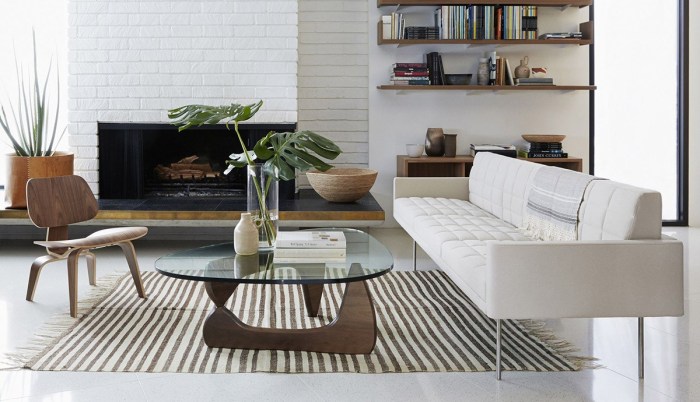
Mid-century modern furniture, a design aesthetic flourishing from roughly the 1930s to the 1960s, continues to captivate homeowners with its blend of clean lines, organic forms, and functional design. This enduring style transcends fleeting trends, offering a timeless appeal that seamlessly integrates into contemporary homes while retaining its distinct character. This comprehensive guide delves into the intricacies of mid-century modern furniture, exploring its defining characteristics, iconic pieces, and how to incorporate it into your living space.
Defining Characteristics of Mid-Century Modern Furniture
Mid-century modern, often abbreviated as MCM, is more than just a period; it’s a design philosophy. Several key characteristics define this iconic style:
Clean Lines and Simple Forms:
MCM furniture eschews excessive ornamentation. Instead, it prioritizes clean lines, geometric shapes, and streamlined silhouettes. Think tapered legs, minimalist armrests, and uncluttered surfaces. This emphasis on simplicity creates a sense of airy spaciousness, even in smaller rooms.
Organic Shapes and Natural Materials:
While geometric forms are prevalent, many MCM pieces incorporate organic shapes inspired by nature. Curved wood, rounded edges, and the use of natural materials like wood, leather, and wool contribute to a warm and inviting atmosphere. This contrast between geometric precision and organic curves is a hallmark of the style.
Functionality and Versatility:
Mid-century modern design prioritizes functionality. Pieces are designed to be practical and versatile, often serving multiple purposes. Multifunctional furniture, such as ottomans with storage or sofa beds, was a common feature of the era, reflecting a focus on efficient living spaces.
Emphasis on Materials:
The choice of materials is crucial in MCM furniture. High-quality materials like teak, walnut, and rosewood were favored for their durability and aesthetic appeal. Leather and wool upholstery added to the tactile richness of the pieces. The natural grain and texture of these materials are often left visible, showcasing their inherent beauty.
Iconic Designers and Pieces:
Several iconic designers shaped the mid-century modern movement, creating pieces that remain highly sought-after today. Names like Charles and Ray Eames, Arne Jacobsen, Eero Saarinen, and Paul McCobb are synonymous with the style. Their designs, from the Eames Lounge Chair to the Egg Chair, represent the pinnacle of MCM design and continue to inspire contemporary designers.
Incorporating Mid-Century Modern Furniture into Your Home
Integrating MCM furniture into your home can be achieved through various approaches, depending on your existing decor and personal preferences. Here are some tips:
Mixing and Matching Styles:
MCM furniture works well with a variety of styles, allowing for creative mixing and matching. Pair MCM pieces with contemporary elements for a modern take on the style, or blend them with vintage or antique pieces for an eclectic look. The key is to maintain a sense of balance and cohesion.
Choosing a Focal Point:, Mid century modern furniture for home
Start by selecting a key MCM piece as a focal point for your room. This could be a statement chair, a distinctive sofa, or a striking coffee table. Build the rest of the room’s decor around this central element, ensuring that the other pieces complement its style and proportions.
Color Palette:
Mid-century modern palettes often feature warm neutrals, such as beige, brown, and cream, accented with pops of color like mustard yellow, teal, or burnt orange. These colors create a sense of warmth and sophistication, reflecting the era’s design ethos.
Accessorizing:
Accessories play a crucial role in completing the MCM look. Consider adding vintage artwork, mid-century lamps, and decorative objects that reflect the era’s aesthetic. Textured throws, cushions, and rugs can also enhance the overall feel of the space.
Popular Mid-Century Modern Furniture Pieces
- Eames Lounge Chair and Ottoman: An iconic piece known for its comfort and elegant design.
- Tulip Chair: A sculptural chair with a single pedestal base, designed by Eero Saarinen.
- Egg Chair: A comfortable and private chair, designed by Arne Jacobsen.
- Barcelona Chair: A sleek and sophisticated chair designed by Mies van der Rohe.
- Nelson Platform Bench: A simple yet elegant bench with a clean, minimalist design.
Where to Find Mid-Century Modern Furniture
Finding authentic mid-century modern furniture can be a rewarding experience. Here are some places to look:
- Antique shops and flea markets: These are excellent places to discover hidden gems and unique pieces.
- Online marketplaces: Websites like eBay and Etsy offer a wide selection of MCM furniture.
- Auction houses: Auction houses often feature high-end MCM pieces.
- Vintage furniture stores: Specialized stores dedicated to vintage and mid-century furniture offer curated collections.
- Reputable retailers: Many contemporary furniture brands offer reproductions or inspired designs.
Maintaining Your Mid-Century Modern Furniture
Proper care ensures your MCM furniture remains beautiful for years to come. Regular dusting and cleaning are essential, along with occasional polishing for wood pieces. Leather upholstery should be conditioned periodically to maintain its suppleness and prevent cracking. Always follow the manufacturer’s recommendations for cleaning and care.
Frequently Asked Questions (FAQ): Mid Century Modern Furniture For Home
- Q: What is the difference between mid-century modern and contemporary furniture? A: While both styles emphasize functionality, mid-century modern has a more distinct aesthetic with clean lines, organic shapes, and a focus on natural materials. Contemporary furniture is more diverse, encompassing a broader range of styles and trends.
- Q: How can I identify authentic mid-century modern furniture? A: Look for hallmarks such as clean lines, tapered legs, organic shapes, and the use of high-quality materials like teak, walnut, or rosewood. Manufacturer’s marks or labels can also help authenticate a piece.
- Q: Is mid-century modern furniture expensive? A: Prices vary widely depending on the piece, designer, condition, and authenticity. Some pieces can be quite expensive, while others are more affordable.
- Q: Can I mix mid-century modern furniture with other styles? A: Absolutely! MCM furniture complements many styles, creating eclectic and visually appealing spaces.
- Q: How do I clean and care for my mid-century modern furniture? A: Regular dusting and cleaning are crucial. Wood pieces should be polished occasionally, while leather upholstery requires periodic conditioning.
Resources
- Pamono
-Online marketplace for vintage and contemporary design. - 1stDibs
-High-end online marketplace for antique and vintage furniture. - Museum of Modern Art (MoMA)
-Extensive collection of mid-century modern design.
Call to Action
Ready to infuse your home with the timeless elegance of mid-century modern design? Start browsing our collection of curated MCM pieces or contact us today to discuss your design vision. Let us help you create a space that reflects your unique style and appreciation for enduring design.
FAQ Compilation
What are the key identifying features of mid-century modern furniture?
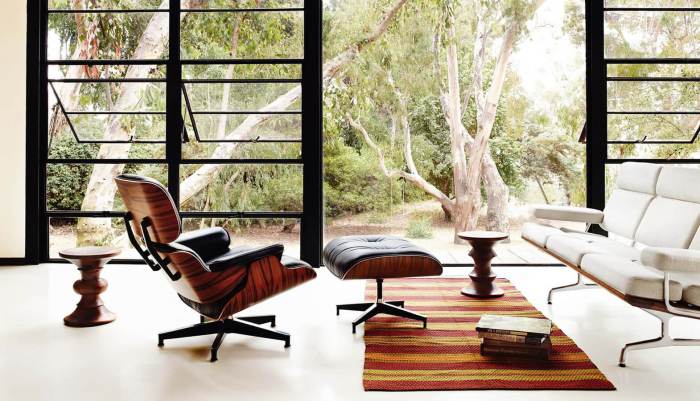
Key features include clean lines, tapered legs, organic shapes, use of natural materials (wood, leather), and a focus on functionality.
How can I incorporate mid-century modern furniture into my existing decor?
Start with one or two statement pieces and build from there. Consider the existing color palette and style of your home to ensure a cohesive look. Mixing and matching different textures and materials can add depth and interest.
Where can I find authentic mid-century modern furniture?
Antique shops, flea markets, online auction sites, and specialized vintage furniture stores are good places to start your search. Be prepared to do some research to ensure authenticity.
How do I care for mid-century modern furniture?
Regular dusting and occasional polishing (depending on the material) will help preserve the finish. For upholstered pieces, vacuum regularly and spot clean as needed. Avoid harsh chemicals.