
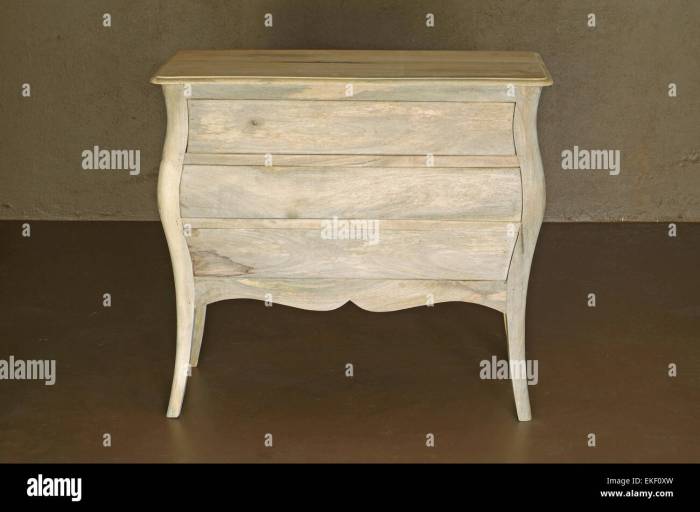
Classic wooden dresser furniture sets offer a timeless elegance that transcends fleeting trends. These pieces, often crafted from durable hardwoods like oak or cherry, bring a sense of history and sophistication to any bedroom. Their enduring appeal stems from both their functionality – providing ample storage and a surface for personal items – and their aesthetic value, adding warmth and character to a space.
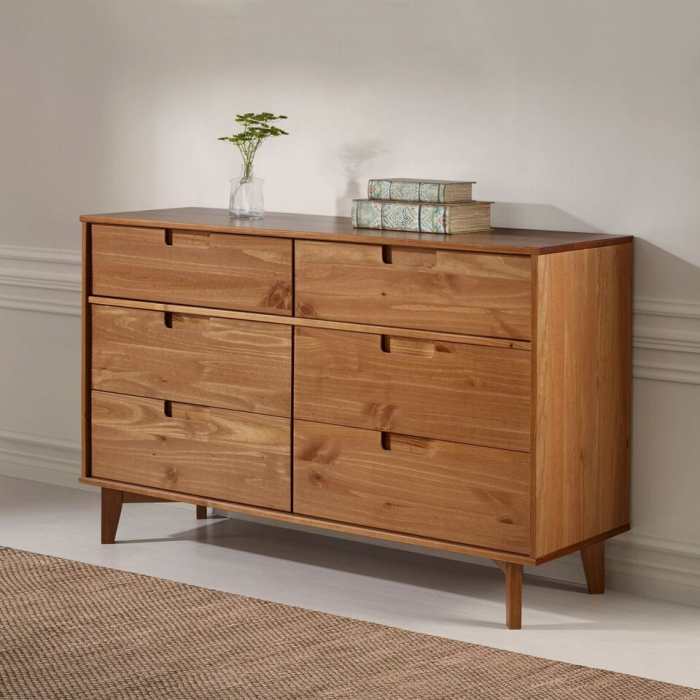
The intricate details, from the hardware to the wood grain itself, contribute to their unique charm, making each piece a conversation starter and a cherished heirloom.
The craftsmanship involved in creating a classic wooden dresser set is often evident in the quality of the joinery and the finish. Many are built to last generations, withstanding the test of time and becoming even more beautiful with age. Choosing a classic wooden dresser is an investment in quality and style, a decision that reflects a commitment to enduring design and lasting value.
Different styles exist, ranging from simple and understated to ornate and highly decorative, offering a wide selection to complement various interior design aesthetics.
Classic wooden dresser furniture sets represent more than just storage; they embody timeless style, enduring craftsmanship, and a legacy of quality. From the rich hues of mahogany to the subtle grain of oak, these pieces add a touch of sophistication and warmth to any bedroom. This comprehensive guide delves into the world of classic wooden dressers, exploring their history, materials, styles, care, and how to choose the perfect set for your home.
A History of Wooden Dressers: From Function to Fine Furniture
The evolution of the dresser is a fascinating journey reflecting changing lifestyles and design aesthetics. Early versions, dating back centuries, served primarily as storage for clothing. These rudimentary chests evolved over time, incorporating drawers for better organization and increasingly ornate detailing. The 18th and 19th centuries saw the rise of elaborate, handcrafted dressers, often made from exotic hardwoods and adorned with intricate carvings and veneers.
These pieces became status symbols, reflecting the wealth and taste of their owners. The 20th century brought about mass production, making dressers more accessible, but the enduring appeal of classic wooden designs remained.
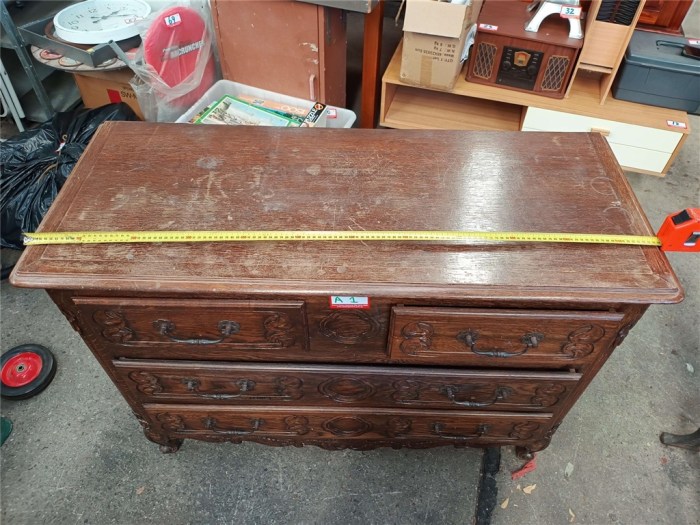
Key Periods and Styles in Dresser Design:, Classic wooden dresser furniture set
- Queen Anne (early 18th century): Characterized by cabriole legs, shell carvings, and a graceful, curvaceous design.
- Chippendale (mid-18th century): Known for its intricate carvings, often incorporating Chinese motifs and bold, architectural lines.
- Hepplewhite (late 18th century): Featuring elegant, tapered legs, oval backs, and delicate inlay work.
- Sheraton (late 18th century): Defined by its clean lines, simple elegance, and often inlaid with contrasting woods.
- Victorian (19th century): Showcases ornate carvings, dark woods, and a more opulent aesthetic.
- Mission (early 20th century): Emphasizes simplicity, functionality, and handcrafted details, often using oak or other sturdy woods.
Choosing the Right Classic Wooden Dresser: Materials and Styles: Classic Wooden Dresser Furniture Set
Selecting a classic wooden dresser involves considering several factors to ensure it complements your style and meets your needs. The choice of wood significantly impacts both the aesthetic and durability of the piece. Popular choices include:
Popular Wood Types for Classic Dressers:
- Oak: A durable and versatile hardwood with a distinctive grain pattern, offering excellent strength and longevity.
- Mahogany: A rich, reddish-brown hardwood prized for its beauty and luxurious feel. It’s known for its resistance to decay and warping.
- Cherry: A warm, reddish-brown hardwood that darkens with age, developing a rich patina over time.
- Walnut: A dark, luxurious hardwood with a distinctive grain pattern, offering a sophisticated and elegant look.
- Pine: A softer wood, often more affordable, known for its light color and ability to accept paint or stain.
Beyond the wood type, consider the style of the dresser. Do you prefer a sleek, minimalist design or a more ornate, traditional look? Think about the size and number of drawers needed to accommodate your belongings. Matching bedroom sets offer a cohesive and elegant look, while standalone dressers allow for greater flexibility in design.
Caring for Your Classic Wooden Dresser: Preservation and Maintenance
Proper care ensures your classic wooden dresser remains a cherished piece for generations. Regular dusting with a soft cloth is crucial to prevent dust buildup. Avoid harsh chemicals and abrasive cleaners, opting instead for gentle wood cleaners specifically designed for furniture. Protect your dresser from direct sunlight, which can cause fading and discoloration. For more significant scratches or damage, consult a professional furniture restoration specialist.
Periodically applying a high-quality wood polish or wax can enhance the wood’s luster and protect it from dryness.
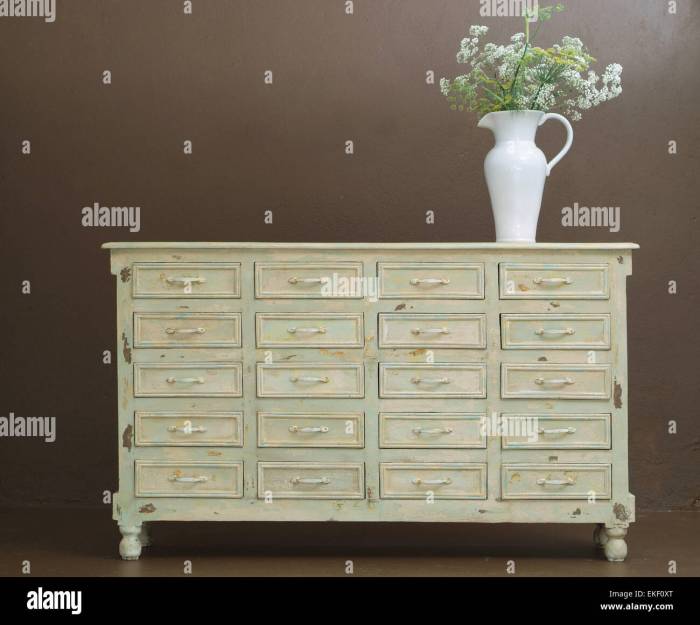
Tips for Maintaining Your Wooden Dresser:
- Dust regularly with a soft, dry cloth.
- Use coasters to protect the surface from spills and heat.
- Avoid placing heavy objects directly on the dresser.
- Use furniture pads to protect the floor and prevent scratches.
- Consider professional cleaning and polishing every few years.
Finding the Perfect Classic Wooden Dresser: Where to Shop and What to Look For
Antique shops, online marketplaces, and specialty furniture stores offer a wide selection of classic wooden dressers. When shopping, examine the piece carefully for any signs of damage or wear. Check the drawers for smooth operation and sturdy construction. Look for solid wood construction rather than particleboard or veneer, which is less durable. Consider the overall craftsmanship and the piece’s aesthetic appeal to ensure it fits seamlessly into your bedroom décor.
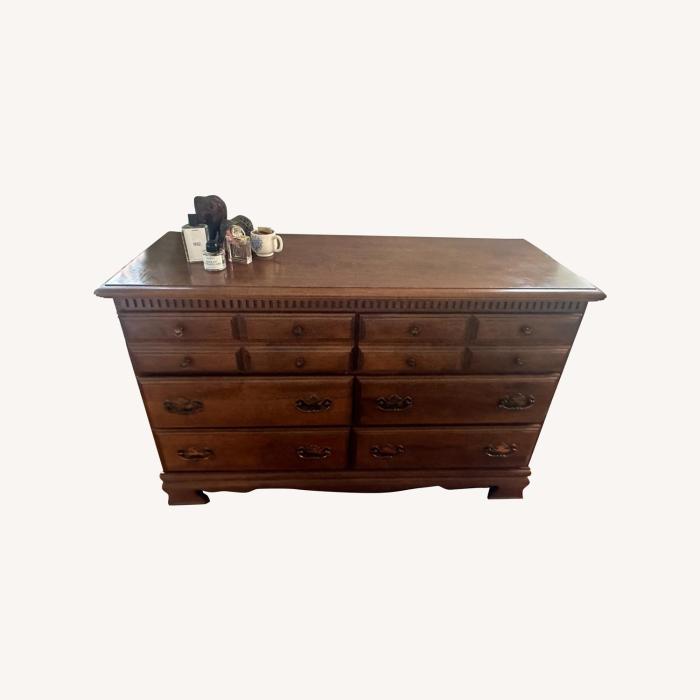
Don’t hesitate to negotiate the price, especially when buying antique or vintage pieces.
Frequently Asked Questions (FAQ)
- Q: How much does a classic wooden dresser cost? A: The price varies greatly depending on the wood type, age, condition, and style. Expect to pay anywhere from a few hundred dollars for a simpler, newer piece to several thousand dollars for a high-quality antique.
- Q: How do I clean a wooden dresser with water rings? A: For minor water rings, try a mixture of mayonnaise and lemon juice. Apply it gently, let it sit for a while, then buff it off. For more stubborn rings, consult a professional furniture restoration specialist.
- Q: How do I prevent scratches on my wooden dresser? A: Use coasters and placemats to protect the surface from scratches. Avoid dragging objects across the dresser. Consider using furniture pads to protect the floor and the dresser’s feet.
- Q: What is the best way to polish a wooden dresser? A: Use a high-quality wood polish or wax specifically designed for furniture. Apply it in a thin, even layer, and buff it to a shine with a soft cloth.
- Q: How can I identify the wood type of my dresser? A: Look for distinctive grain patterns and color variations. You can also consult online resources or a furniture expert for assistance.
Resources:
- This Old House (for general home improvement and furniture care advice)
- Invaluable (for researching antique furniture values and styles)
- (Add other relevant links to reputable furniture websites or antique resources here)
Call to Action (CTA)
Ready to add a touch of timeless elegance to your bedroom? Browse our collection of classic wooden dresser furniture sets today and discover the perfect piece to complete your space. Click here to shop now!
Questions Often Asked
How do I clean a classic wooden dresser?
Use a soft, damp cloth and a mild wood cleaner. Avoid harsh chemicals or abrasive cleaners.
What are the common wood types used in classic dressers?
Common woods include oak, cherry, mahogany, and walnut. Each offers unique grain patterns and durability.
How can I restore an old wooden dresser?
Depending on the condition, restoration may involve sanding, refinishing, and repairing damaged areas. Professional help may be needed for extensive repairs.