
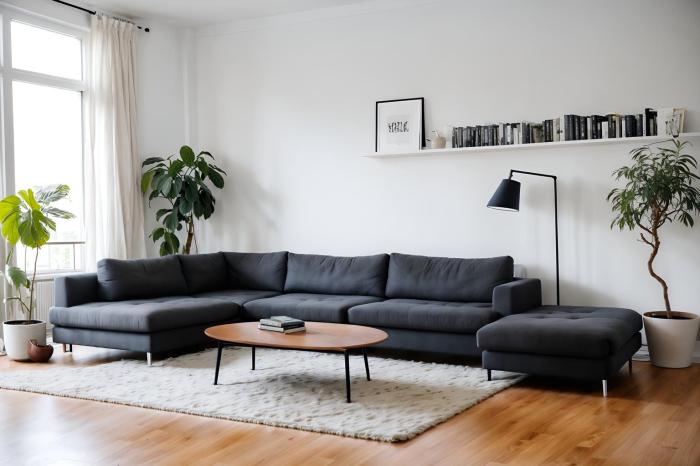
Minimalist furniture design for living room offers a pathway to serene and stylish living spaces. This approach prioritizes functionality, clean lines, and a curated selection of pieces, transforming a room from cluttered to calm. By carefully choosing furniture and accessories, you can create a haven of tranquility that reflects your personal style while maximizing space and light.
The key to successful minimalist living room design lies in thoughtful selection. Multi-functional pieces, such as ottomans that double as storage, are invaluable. Neutral color palettes create a sense of spaciousness, while strategic use of texture adds visual interest without overwhelming the space. Natural materials like wood and linen contribute to a sense of warmth and calm, completing the minimalist aesthetic.
Creating a tranquil and stylish living room doesn’t require overflowing furniture. In fact, embracing minimalist furniture design can significantly enhance the space’s functionality and aesthetic appeal. This comprehensive guide delves into the principles of minimalist living room design, offering practical tips and inspiration to help you achieve a serene and sophisticated atmosphere.
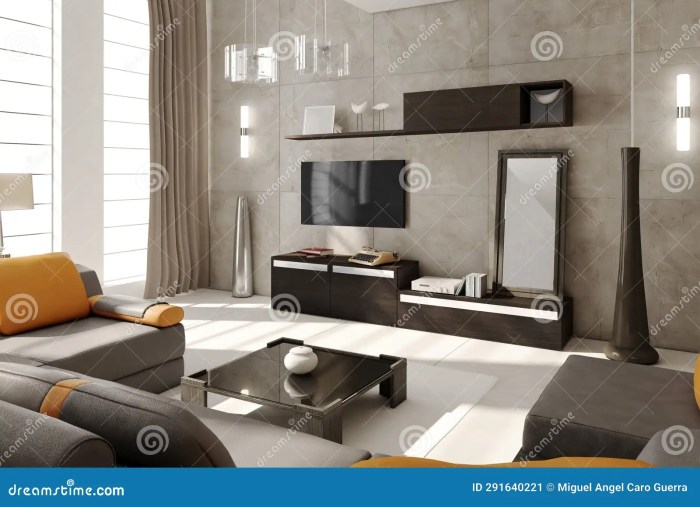
Understanding Minimalist Design Principles
Minimalism, at its core, is about intentional living and decluttering. In furniture design, this translates to selecting pieces that are functional, aesthetically pleasing, and free from unnecessary ornamentation. Key principles include:
- Functionality over form: Each piece should serve a clear purpose. Avoid buying furniture simply because it looks nice if it doesn’t add value to your daily life.
- Clean lines and simple shapes: Opt for furniture with uncluttered designs, avoiding excessive curves or intricate details. Straight lines and geometric shapes create a sense of order and calm.
- Neutral color palettes: Stick to a limited color scheme, predominantly using neutral tones like white, beige, gray, and black. This creates a sense of spaciousness and allows you to introduce pops of color through accessories.
- High-quality materials: Invest in durable, high-quality furniture that will last. This approach reduces the need for frequent replacements and aligns with the sustainable ethos of minimalism.
- Multifunctional furniture: Choose pieces that serve multiple purposes, such as a sofa bed or a coffee table with built-in storage. This maximizes space efficiency.
Essential Minimalist Furniture Pieces for the Living Room
While the specific pieces you choose will depend on your individual needs and space, some essential minimalist furniture pieces commonly found in a minimalist living room include:
1. Sofa
A comfortable and well-proportioned sofa is the centerpiece of most living rooms. Choose a simple design in a neutral color, such as a classic loveseat or a modular sofa that can be configured to suit your space. Consider materials like linen or cotton for a relaxed feel.
2. Coffee Table
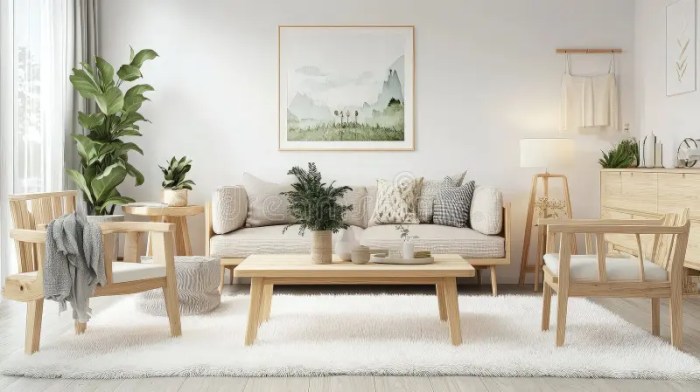
A low-profile coffee table provides a surface for drinks, books, and remote controls. Opt for a simple design with clean lines, perhaps in wood, glass, or metal. Consider a coffee table with storage to keep clutter at bay.
3. Armchairs or Accent Chairs
Adding one or two armchairs can create additional seating and enhance the room’s visual balance. Choose chairs with simple designs and comfortable cushioning. Consider materials like leather or velvet for a touch of luxury.
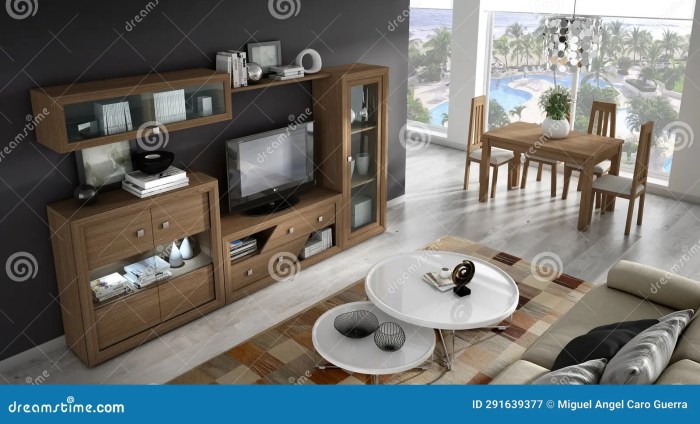
4. Media Console or TV Stand
If you have a television, a sleek and minimalist media console is essential. Choose a design that seamlessly integrates with the rest of your furniture and provides ample storage for media devices and accessories. Consider a floating shelf for a more space-saving option.
5. Lighting
Lighting plays a crucial role in creating the desired ambiance. Incorporate a combination of ambient, task, and accent lighting. Consider floor lamps, table lamps, and recessed lighting for a layered and versatile approach. Avoid overly ornate or flashy fixtures.
Incorporating Storage Solutions
Minimalism is not about having nothing; it’s about having only what you need and keeping it organized. Clever storage solutions are crucial to maintaining a clutter-free living room. Consider:
- Built-in shelving: Built-in shelving provides ample storage while maintaining a clean aesthetic. Use baskets or boxes to conceal items and maintain a tidy appearance.
- Storage ottomans: Ottomans with built-in storage offer both seating and storage space, perfect for blankets, throws, or magazines.
- Hidden storage: Incorporate hidden storage solutions, such as drawers under the sofa or behind wall panels, to keep clutter out of sight.
Choosing the Right Materials and Colors
The materials and colors you choose significantly impact the overall look and feel of your minimalist living room. Consider:
- Natural materials: Wood, stone, and bamboo add warmth and texture to a minimalist space. Choose sustainably sourced materials whenever possible.
- Neutral color palette: Stick to a limited color scheme, primarily using neutral tones. This creates a sense of spaciousness and calmness.
- Textural contrast: Introduce subtle textural contrast through different materials, such as a wool rug on a hardwood floor, to add visual interest without overwhelming the space.
Adding Personality and Style
While minimalism emphasizes simplicity, it doesn’t mean your living room has to be sterile. You can still add personality and style through carefully chosen accessories:
- Plants: Incorporate plants to add life and vibrancy to the space. Choose low-maintenance plants that thrive in your environment.
- Artwork: Select a few pieces of artwork that you love and that complement the overall design. Avoid overcrowding the walls.
- Textiles: Add texture and warmth through carefully chosen textiles, such as a wool throw or a linen cushion.
Frequently Asked Questions (FAQ)
- Q: Is minimalist furniture expensive? A: Not necessarily. While high-quality pieces can be pricey, you can find affordable minimalist furniture from various retailers, including online marketplaces and budget-friendly furniture stores. Prioritizing quality over quantity is key.
- Q: How can I make my small living room feel bigger with minimalist furniture? A: Opt for light-colored furniture, avoid bulky pieces, and use mirrors to create the illusion of more space. Maximize natural light and keep the floor space uncluttered.
- Q: How do I avoid making my minimalist living room feel cold or sterile? A: Incorporate natural materials like wood and stone, add plants and textiles for warmth, and choose furniture with comfortable cushioning. Strategic lighting is also crucial in creating a welcoming atmosphere.
- Q: Where can I find inspiration for minimalist living room design? A: Browse interior design websites and magazines, such as Architectural Digest, Dwell, and Apartment Therapy. Pinterest and Instagram are also excellent sources of inspiration.
- Q: What are some common mistakes to avoid when designing a minimalist living room? A: Overcrowding the space, choosing low-quality furniture, neglecting lighting, and failing to incorporate personal touches are all common pitfalls.
References
Call to Action: Minimalist Furniture Design For Living Room
Ready to transform your living room into a serene and stylish minimalist haven? Start by decluttering your existing furniture and identifying your essential needs. Then, browse online resources and local furniture stores to find the perfect minimalist pieces to complete your vision. Embrace the simplicity and enjoy the calm and functional space you’ve created!
FAQ Insights
What are the best materials for minimalist living room furniture?
Natural materials like wood, linen, and cotton are popular choices for their simplicity and inherent beauty. Metal, especially in matte finishes, can also work well.
How can I add personality to a minimalist living room?
Introduce personality through carefully chosen artwork, unique textures, and a few statement pieces. A single, bold piece of art can make a big impact in a minimalist space.
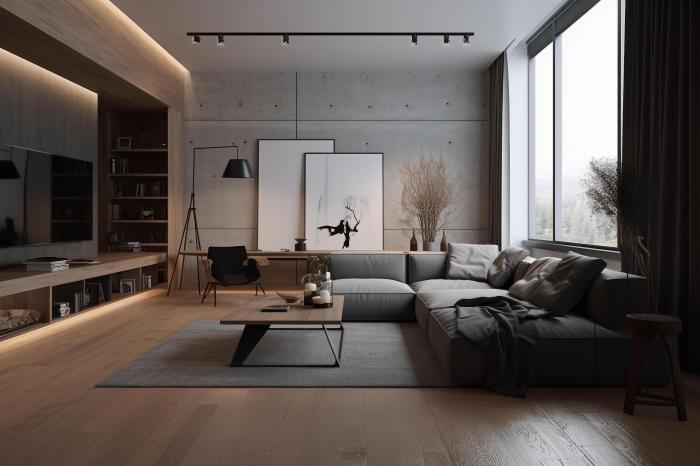
How do I avoid making my minimalist living room feel too sterile?
Incorporate natural light, plants, and warm-toned textiles to add warmth and prevent a sterile feel. Layering textures is key to adding visual interest without clutter.