
Vintage style furniture for decoration offers a unique blend of nostalgic charm and modern functionality. This enduring style transcends fleeting trends, providing a timeless aesthetic that can transform any space. From delicately carved antique pieces to subtly distressed reproductions, the possibilities for creating a personalized and captivating atmosphere are virtually limitless. The appeal lies in the ability to blend history with contemporary living, creating a space that reflects individual taste and personality while showcasing the enduring beauty of bygone eras.
Careful consideration of color palettes, material choices, and the overall arrangement are crucial in successfully integrating vintage style furniture. Understanding the historical context of different periods and styles allows for a more informed and intentional design approach, preventing a cluttered or disjointed look. The key is to curate a collection that tells a story, reflecting personal preferences and creating a cohesive and visually appealing environment.
Vintage style furniture offers a unique blend of nostalgia and contemporary appeal, transforming a living space into a captivating haven of history and elegance. More than just aesthetically pleasing, these pieces tell stories, adding character and personality that mass-produced furniture simply can’t replicate. This comprehensive guide delves into the world of vintage style furniture, exploring its diverse styles, sourcing tips, restoration techniques, and how to seamlessly integrate it into your modern home.
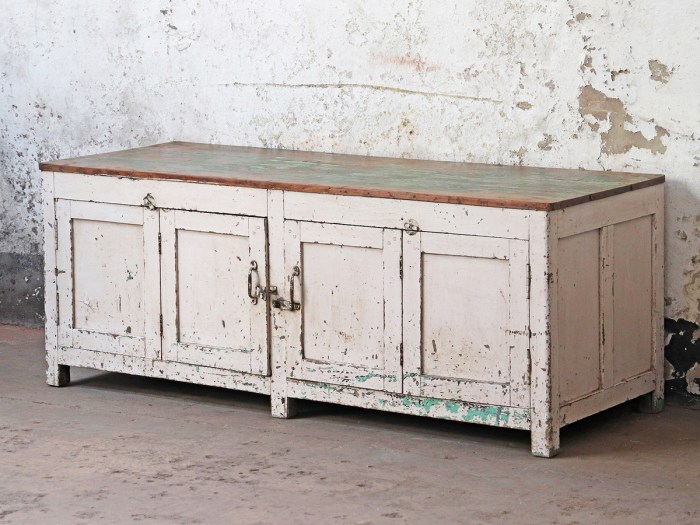
Understanding the Allure of Vintage and Retro Furniture
Before diving into specifics, it’s crucial to understand the nuances between “vintage,” “antique,” and “retro.” While often used interchangeably, they hold distinct meanings:
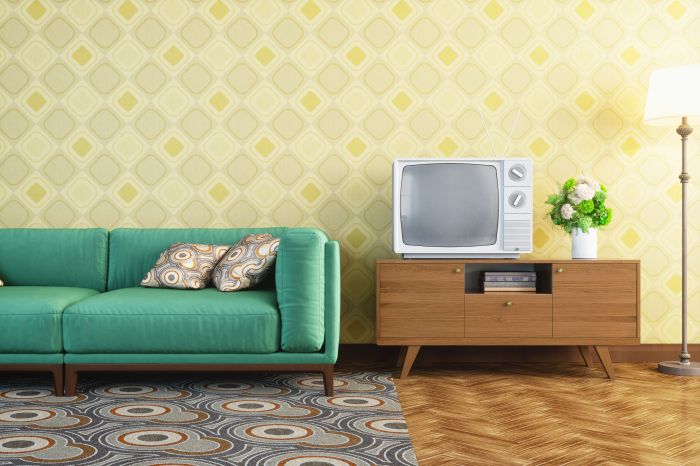
- Vintage: Generally refers to items from the mid-20th century (roughly 1930s-1960s), possessing a certain desirability and often showing signs of age and wear, adding to their charm. Think mid-century modern, Hollywood Regency, or Danish Modern.
- Antique: Typically designates items over 100 years old, possessing significant historical value and often requiring specialized care and restoration. Their value often surpasses their decorative use.
- Retro: Refers to styles that emulate designs from the past, often without being genuine vintage pieces. Retro furniture is often newly manufactured to replicate the look and feel of earlier eras.
Key Styles of Vintage Furniture, Vintage style furniture for decoration
The world of vintage furniture boasts a rich tapestry of styles. Some of the most sought-after include:
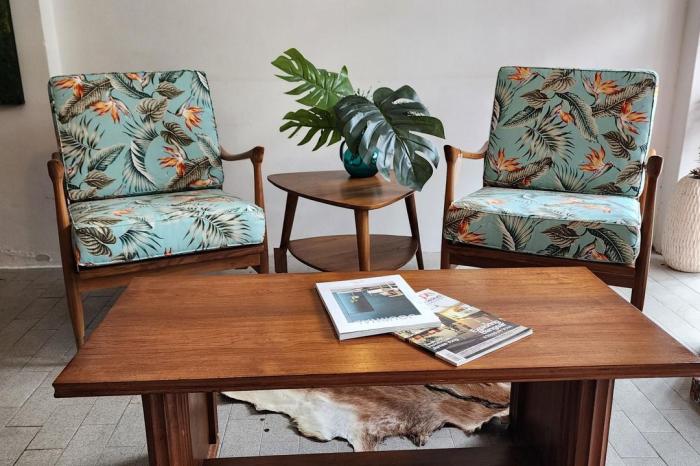
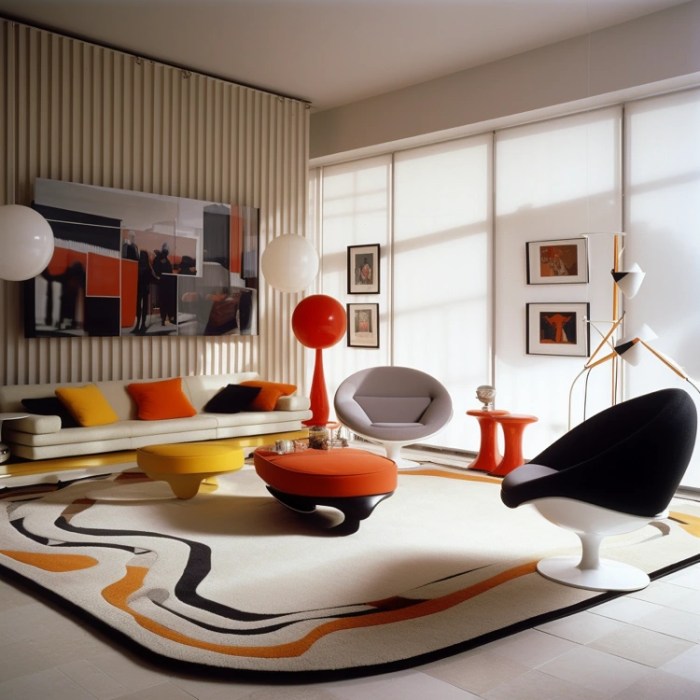
- Mid-Century Modern (MCM): Characterized by clean lines, organic forms, and the use of materials like teak, walnut, and molded plywood. Iconic designers include Eero Saarinen, Charles and Ray Eames, and Arne Jacobsen.
- Hollywood Regency: Known for its glamorous and opulent aesthetic, featuring bold colors, metallic accents, mirrored surfaces, and luxurious fabrics. Think velvet upholstery, ornate details, and a touch of drama.
- Danish Modern: Celebrated for its minimalist design, functionality, and use of natural materials like wood and leather. Emphasizes craftsmanship and simplicity.
- Art Deco: Defined by geometric patterns, streamlined shapes, and luxurious materials. Often features rich colors and metallic accents, reflecting the opulence of the 1920s and 1930s.
- Victorian: Characterized by ornate detailing, dark wood, and plush upholstery. Often features intricate carvings, heavy fabrics, and a sense of grandeur.
Sourcing Your Vintage Treasures
Finding the perfect vintage furniture pieces requires patience and a keen eye. Here are some excellent avenues to explore:
- Antique Shops and Flea Markets: These are treasure troves for unique finds, offering a wide variety of styles and price points. Be prepared to spend time browsing and negotiating.
- Online Marketplaces (eBay, Etsy, Chairish): These platforms offer a vast selection of vintage furniture, often with detailed descriptions and images. However, always carefully examine seller ratings and shipping policies.
- Estate Sales and Auctions: Estate sales often offer incredible deals on high-quality vintage furniture, while auctions can be exciting but require careful bidding strategies.
- Thrift Stores and Consignment Shops: You might stumble upon unexpected gems at your local thrift store or consignment shop. These are great options for budget-friendly finds.
- Local Antique Dealers: Establishing relationships with local antique dealers can provide access to exclusive pieces and expert advice.
Restoring and Maintaining Your Vintage Furniture
Vintage furniture often requires some level of restoration or maintenance to preserve its beauty and longevity. This could involve:
- Cleaning and Polishing: Regular cleaning and polishing can help maintain the shine and protect the finish of wooden furniture. Use appropriate cleaning products and techniques for the specific type of wood.
- Upholstery Repair and Replacement: If upholstery is damaged or worn, consider professional repair or replacement to maintain the piece’s aesthetic appeal and comfort.
- Wood Repair: Minor scratches and dents can often be repaired using wood filler and touch-up paint. For more significant damage, consult a professional furniture restorer.
- Hardware Replacement: Replacing damaged or missing hardware can significantly enhance the look and functionality of your vintage furniture.
Integrating Vintage Style into Your Modern Home
The key to successfully incorporating vintage furniture into a modern home is balance and harmony. Consider these tips:
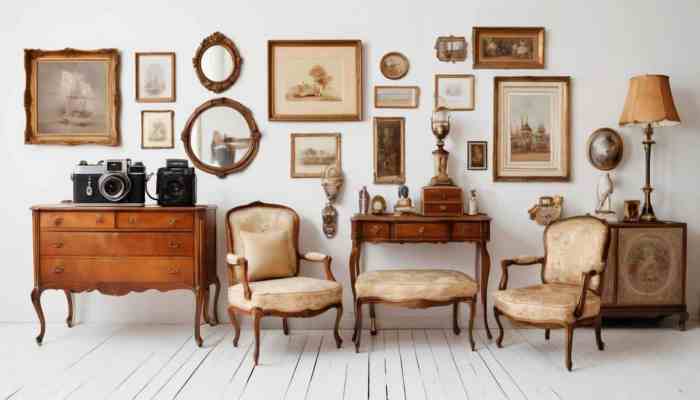
- Mix and Match Styles: Don’t be afraid to combine different vintage styles with contemporary pieces. The contrast can create a unique and visually interesting space.
- Choose a Focal Point: Select one or two statement vintage pieces to serve as focal points in your room. These pieces will anchor the design and add character.
- Consider Color Palettes: Choose a color palette that complements your vintage furniture. Neutral colors can create a timeless backdrop, while bolder colors can add a pop of personality.
- Accessorize Strategically: Accessorize your space with items that complement the style of your vintage furniture. This could include vintage artwork, rugs, or lighting.
- Don’t Overcrowd the Space: Avoid overcrowding your space with too many vintage pieces. Allow ample breathing room to showcase each piece’s unique charm.
Frequently Asked Questions (FAQ)
- Q: How can I determine the value of a vintage furniture piece? A: Research the maker, style, age, and condition of the piece. Online resources, antique appraisal services, and local experts can provide guidance.
- Q: How do I clean different types of vintage furniture? A: The cleaning method depends on the material (wood, upholstery, metal). Always test cleaning solutions in an inconspicuous area first. Research specific cleaning techniques for your furniture type.
- Q: Where can I find reputable furniture restorers? A: Check online reviews, ask for recommendations from antique dealers, or contact local historical societies.
- Q: Is it better to buy restored or unrestored vintage furniture? A: This depends on your budget, DIY skills, and desired aesthetic. Restored pieces are ready to use, while unrestored pieces offer a project and potential cost savings.
- Q: How do I protect my vintage furniture from damage? A: Use coasters, placemats, and furniture pads to prevent scratches and spills. Avoid placing furniture in direct sunlight to prevent fading.
Resources: Vintage Style Furniture For Decoration
- 1stDibs : A curated online marketplace for high-end vintage and antique furniture.
- Chairish : Another online marketplace specializing in vintage and antique furniture.
- Incollect : A resource for finding reputable antique dealers.
Call to Action
Ready to infuse your home with the timeless elegance of vintage style furniture? Start browsing today and discover the unique charm and character that only vintage pieces can offer! Find your perfect piece and let your home tell a story.
Detailed FAQs
What are some common materials used in vintage style furniture?
Common materials include wood (mahogany, oak, walnut), metal (iron, brass), and upholstered fabrics (velvet, linen).
How can I tell if a piece of furniture is truly vintage?
Look for hallmarks like maker’s marks, construction techniques, and wear consistent with age. Researching similar pieces online can also be helpful.
How do I care for vintage furniture?
Regular dusting and polishing are key. Use appropriate cleaning products and avoid harsh chemicals. For upholstered pieces, professional cleaning may be necessary.