
Modular storage furniture for home office spaces offers a dynamic and adaptable solution to the ever-evolving needs of the modern workspace. Unlike traditional, fixed units, modular systems allow for customization and expansion, adapting seamlessly to changing requirements and personal preferences. This flexibility is particularly valuable in home offices, where space is often at a premium and functionality needs to be maximized.
Whether you’re a freelancer needing a dedicated work area or an entrepreneur managing a growing team, the benefits of modularity are undeniable.
The ability to easily reconfigure and rearrange components allows for optimal workflow and aesthetic appeal. Modular furniture also provides a scalable solution; as your needs grow, you can simply add more units, avoiding the expense and inconvenience of replacing entire systems. This adaptability makes it a smart investment for anyone seeking a practical, stylish, and long-lasting storage solution for their home office.
Working from home has become increasingly common, transforming spare bedrooms and even corners of living rooms into dedicated workspaces. This shift necessitates efficient space management, and modular storage furniture emerges as a powerful solution. This comprehensive guide explores the benefits, types, and considerations of integrating modular storage into your home office, helping you create a functional and aesthetically pleasing environment.
Understanding Modular Storage Furniture
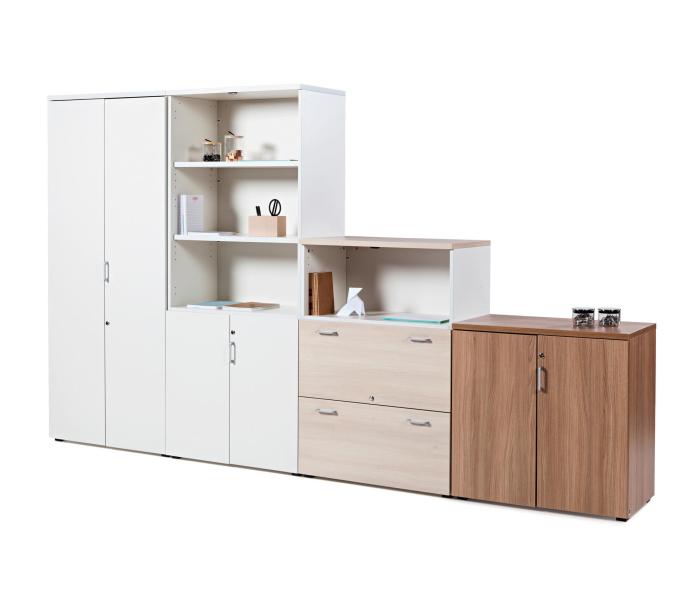
Modular storage furniture is characterized by its flexibility and adaptability. Unlike traditional, fixed units, modular systems consist of individual components – cabinets, drawers, shelves, and desks – that can be combined and reconfigured to suit your specific needs and space. This design allows for customization, scalability, and easy adjustments as your workspace evolves.
Key Advantages of Modular Storage for Home Offices:, Modular storage furniture for home office
- Customization: Tailor your storage solution to perfectly fit your space and storage requirements. Need more shelving? Add a module. Need more drawers? Simply attach another unit.
- Flexibility: Easily rearrange components as your needs change. Moving house? Disassemble and reassemble your storage system in your new office with ease.
- Scalability: Expand your storage capacity gradually as your collection of documents, supplies, and equipment grows. Add modules as needed without replacing the entire system.
- Space Optimization: Modular units can be configured to maximize vertical space and fit into awkward corners or alcoves, making the most of your available area.
- Cost-Effectiveness: You can start with a basic system and gradually expand it over time, making it a more budget-friendly option than buying a large, fixed unit all at once.
- Aesthetic Versatility: Modular systems are available in various styles, materials, and finishes, allowing you to seamlessly integrate them into your existing home décor.
Types of Modular Storage Furniture for Home Offices
The market offers a wide range of modular storage options, each catering to different needs and preferences. Here are some popular types:
1. Modular Shelving Units
These are highly versatile and come in various sizes, depths, and materials (wood, metal, plastic). They are ideal for storing books, files, and decorative items. Look for adjustable shelves for maximum flexibility.
2. Modular Drawer Units
Perfect for organizing smaller items like stationery, cables, and office supplies. Consider units with different drawer sizes for optimal organization. Some even include lockable drawers for sensitive documents.
3. Modular Bookcases
Specifically designed for books, these units often feature deeper shelves and may incorporate additional features like doors or drawers for added storage and dust protection.
4. Modular Desk Systems
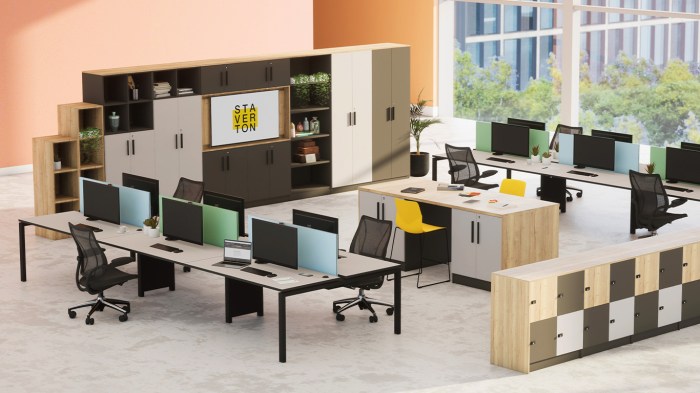
These combine desks with integrated storage solutions like drawers, cabinets, and shelves, creating a cohesive and functional workspace. Some even include features like cable management systems.
5. Modular Cabinet Systems
These offer enclosed storage, ideal for concealing clutter and protecting sensitive items. They are available in various sizes and configurations, often including features like doors, drawers, and adjustable shelves.
Choosing the Right Modular Storage System for Your Home Office
Selecting the ideal modular storage system involves careful consideration of several factors:
1. Space Constraints
Measure your available space accurately to determine the maximum dimensions of your storage system. Consider both floor space and ceiling height.
2. Storage Needs
Assess the types of items you need to store (documents, books, supplies, equipment) and the quantity of each. This will help you determine the necessary number and size of modules.
3. Budget
Modular storage systems range in price, depending on materials, features, and brand. Set a realistic budget and prioritize features that align with your needs.
4. Style and Aesthetics
Choose a system that complements your home office décor and personal style. Consider materials, finishes, and colors to ensure a cohesive look.
5. Durability and Quality
Invest in a high-quality system made from durable materials to ensure longevity. Look for systems with sturdy construction and smooth-operating mechanisms.
Maintaining Your Modular Storage System
Regular maintenance ensures your modular storage system remains functional and aesthetically pleasing for years to come.
- Dust Regularly: Dust shelves and surfaces regularly to prevent the accumulation of dirt and debris.
- Organize Periodically: Declutter and reorganize your belongings regularly to maintain an efficient and functional workspace.
- Inspect for Damage: Check for any signs of wear and tear, such as loose screws or damaged components, and address them promptly.
- Lubricate Moving Parts: Lubricate drawers and other moving parts as needed to ensure smooth operation.
Frequently Asked Questions (FAQ)
- Q: Are modular storage systems difficult to assemble? A: Most modular systems are designed for easy assembly, often with clear instructions and minimal tools required. However, the complexity can vary depending on the system’s design and size.
- Q: Can I add modules to my existing system later? A: Yes, this is one of the key advantages of modular systems. You can expand your storage capacity as your needs evolve.
- Q: What materials are modular storage systems typically made from? A: Common materials include wood, metal, plastic, and particleboard. The choice depends on factors such as budget, durability requirements, and aesthetic preferences.
- Q: How much space do I need to allow for modular storage? A: This depends entirely on the size and configuration of the system you choose. Measure your available space carefully and plan your layout accordingly.
- Q: Are modular storage systems suitable for all home office layouts? A: Yes, the flexibility of modular systems allows them to adapt to various layouts and space constraints.
Resources
For further information and inspiration, explore these resources:
- IKEA Home Office Furniture
- Amazon Modular Storage Furniture
- (Add more relevant links to reputable furniture retailers and design blogs here)
Call to Action: Modular Storage Furniture For Home Office
Transform your home office into a highly organized and efficient workspace with the power of modular storage. Browse our selection today and find the perfect system to match your style and needs! Click here to explore our range of modular storage solutions!
General Inquiries
What materials are typically used in modular storage furniture?
Common materials include wood (solid wood, engineered wood), metal (steel, aluminum), and plastic (high-density plastic). The choice depends on style, durability, and budget.
How easy is it to assemble modular storage furniture?
Assembly varies by manufacturer and design, but many systems are designed for easy self-assembly with clear instructions and minimal tools. Some may require professional installation.
Can I customize the color or finish of my modular storage units?
Customization options vary widely. Some manufacturers offer a range of pre-finished colors and finishes, while others may offer custom options at an additional cost.