
Eco-friendly bamboo furniture for home offers a stylish and sustainable alternative to traditional wood furnishings. Bamboo’s rapid growth and inherent strength make it an environmentally responsible choice, reducing deforestation and carbon footprint. This naturally beautiful material lends itself to a variety of designs, from sleek modern pieces to rustic, handcrafted styles, seamlessly blending into any home decor.
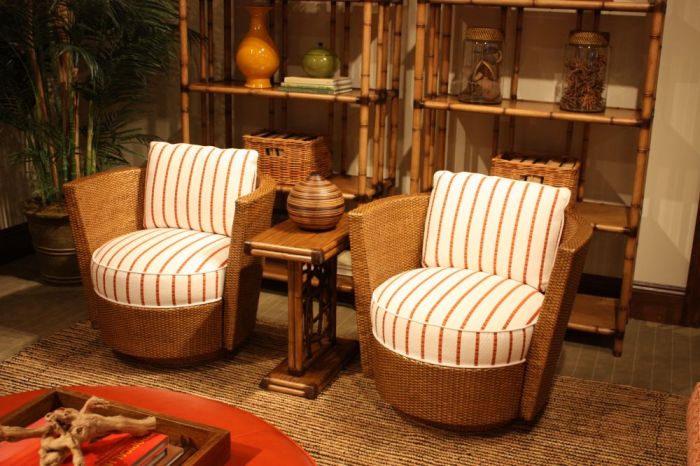
The durability of bamboo furniture is another key advantage. Properly cared for, bamboo pieces can last for years, providing long-term value and minimizing the need for frequent replacements. Furthermore, its inherent resistance to pests and moisture makes it a practical choice for various environments. Consider the versatility of bamboo; it can be crafted into chairs, tables, beds, shelves, and more, offering a complete range of home furnishing options.
In today’s world, where sustainability is increasingly important, choosing eco-friendly furniture is a significant step towards a greener lifestyle. Bamboo, a rapidly renewable resource, offers a compelling alternative to traditional hardwoods, presenting a stylish and sustainable choice for your home. This comprehensive guide delves into the world of eco-friendly bamboo furniture, exploring its benefits, considerations, care, and more.
Why Choose Bamboo Furniture? The Environmental Advantages
Bamboo’s remarkable growth rate and inherent properties make it an exceptionally sustainable material. Unlike slow-growing hardwoods that require decades to mature, bamboo can reach full maturity in just 3-5 years. This rapid growth cycle contributes significantly to its environmental friendliness, reducing the demand on older forests and minimizing deforestation. Furthermore, bamboo requires minimal water and pesticides to thrive, making it a remarkably low-impact crop.
Reduced Carbon Footprint
Bamboo is a highly efficient carbon sequester, absorbing more carbon dioxide from the atmosphere than most trees. Choosing bamboo furniture directly contributes to reducing your carbon footprint and mitigating climate change. This makes it a responsible choice for environmentally conscious consumers.
Renewable and Sustainable Resource
Unlike many hardwoods, bamboo is a rapidly renewable resource. Its quick growth cycle ensures that harvesting doesn’t deplete the resource, promoting sustainable forestry practices. This makes bamboo furniture a truly responsible and long-term investment.
Biodegradable and Compostable
At the end of its lifespan, bamboo furniture can biodegrade naturally, minimizing its environmental impact compared to furniture made from synthetic materials or slow-growing hardwoods. This complete biodegradability makes it a truly circular material.
Types of Bamboo Furniture for Your Home
The versatility of bamboo allows for a wide range of furniture styles and designs. From sleek modern pieces to rustic and traditional styles, bamboo furniture seamlessly integrates into various home aesthetics.
Indoor Bamboo Furniture, Eco-friendly bamboo furniture for home
Bamboo’s strength and durability make it ideal for a variety of indoor applications. Popular choices include:
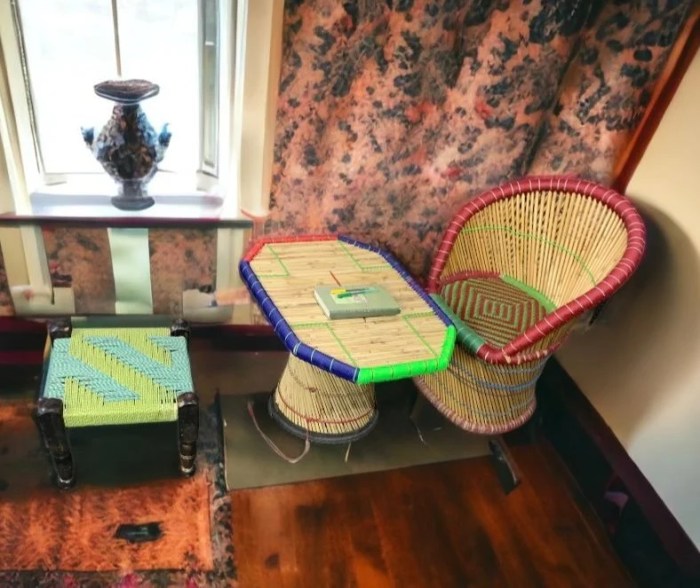
- Bamboo dining sets: Tables, chairs, and sideboards crafted from bamboo offer a stylish and sustainable dining experience.
- Bamboo sofas and armchairs: Comfortable and stylish, bamboo seating adds a touch of natural elegance to any living room.
- Bamboo beds and bedroom furniture: Durable and aesthetically pleasing, bamboo beds and dressers offer a tranquil and sustainable sleep environment.
- Bamboo shelving and storage units: Bamboo’s strength allows for the creation of robust and attractive shelving solutions for any room.
- Bamboo desks and office furniture: Create a sustainable and stylish workspace with bamboo desks, chairs, and filing cabinets.
Outdoor Bamboo Furniture
Bamboo’s natural resistance to moisture and insects makes it suitable for outdoor use, though proper treatment is often recommended for longevity.
- Bamboo patio furniture: Create a relaxing outdoor space with durable and stylish bamboo patio sets.
- Bamboo garden benches and planters: Add a touch of natural beauty to your garden with bamboo seating and planters.
Caring for Your Bamboo Furniture
Proper care ensures the longevity and beauty of your bamboo furniture. Here are some essential tips:
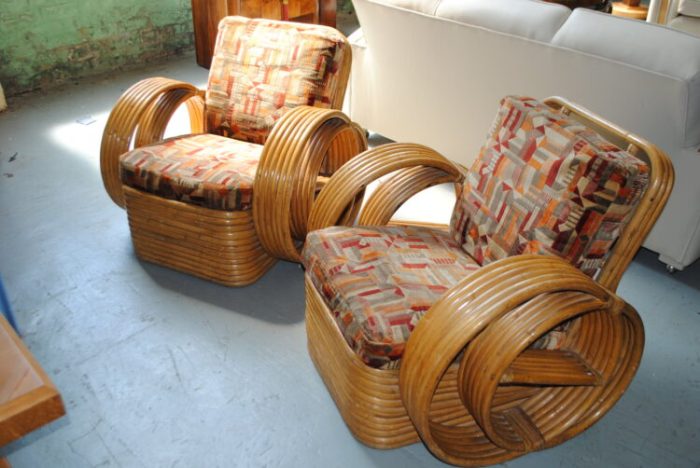
- Regular dusting: Use a soft cloth or duster to regularly remove dust and debris.
- Avoid harsh chemicals: Avoid using harsh cleaners or abrasive materials that can damage the bamboo’s finish.
- Protect from direct sunlight: Prolonged exposure to direct sunlight can fade the bamboo’s color. Consider using curtains or blinds to filter sunlight.
- Treat outdoor furniture: For outdoor bamboo furniture, consider applying a protective sealant to enhance its water resistance and durability.
- Repair minor scratches: Minor scratches can often be repaired using a wood filler specifically designed for bamboo.
Choosing Sustainable Bamboo Furniture: What to Look For
When purchasing bamboo furniture, look for certifications and sustainable sourcing practices. Look for manufacturers who:
- Use sustainably harvested bamboo.
- Employ environmentally friendly manufacturing processes.
- Offer transparent information about their sourcing and production methods.
- Use non-toxic finishes and glues.
Bamboo Furniture vs. Other Eco-Friendly Options: Eco-friendly Bamboo Furniture For Home
While other eco-friendly materials exist, bamboo stands out due to its rapid growth rate and versatility. Compared to other hardwoods, bamboo offers a significantly faster renewable cycle, reducing pressure on forests. Compared to some composite materials, bamboo is often more durable and aesthetically pleasing.
Frequently Asked Questions (FAQ)
- Is bamboo furniture durable? Yes, bamboo is remarkably strong and durable, comparable to many hardwoods. Its strength-to-weight ratio makes it an excellent choice for furniture.
- Is bamboo furniture water-resistant? Untreated bamboo is not highly water-resistant. However, many manufacturers treat their bamboo furniture with sealants to enhance water resistance, particularly for outdoor pieces.
- How do I clean bamboo furniture? Use a soft cloth and mild soap and water solution for cleaning. Avoid harsh chemicals and abrasive cleaners.
- Is bamboo furniture expensive? The price of bamboo furniture varies depending on the quality, style, and design. However, it is often competitively priced compared to similar furniture made from hardwoods.
- Where can I buy eco-friendly bamboo furniture? Many online retailers and furniture stores offer a range of sustainable bamboo furniture options. Look for certifications and information about sustainable sourcing practices.
Sources
- World Wildlife Fund (WWF)
-Giant Panda Information (Information on bamboo’s ecological importance) - EPA – Climate Change Science (Information on carbon sequestration)
- (Add more relevant sources as needed)
Call to Action
Ready to embrace sustainable living and add a touch of natural elegance to your home? Explore the world of eco-friendly bamboo furniture today! Discover the perfect pieces to create a stylish and environmentally conscious living space.
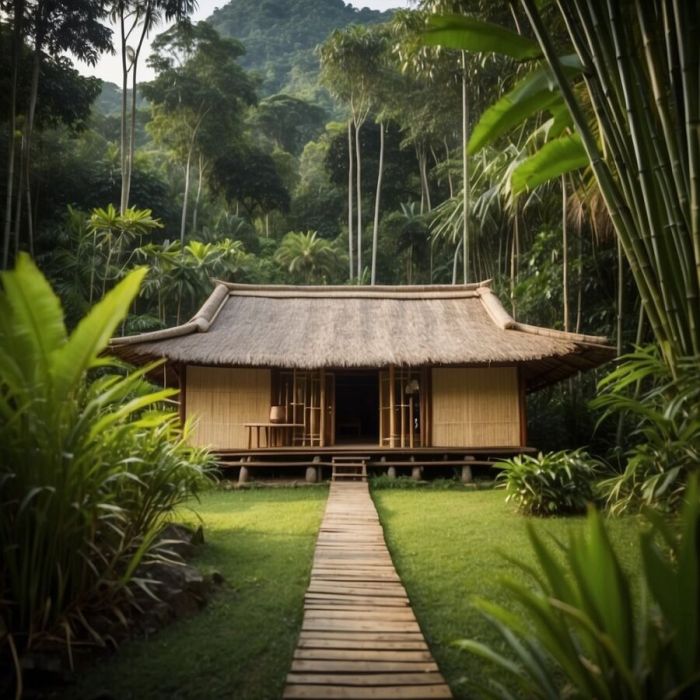
FAQ Resource
How durable is bamboo furniture?
Bamboo furniture is surprisingly durable when properly cared for. Its strength rivals many hardwoods, and it’s resistant to moisture and pests.
Is bamboo furniture expensive?
The cost of bamboo furniture varies depending on the style, craftsmanship, and retailer. However, it often compares favorably to similarly styled furniture made from other materials.
How do I clean bamboo furniture?
Generally, a damp cloth is sufficient for cleaning. Avoid harsh chemicals and excessive moisture.
Is bamboo furniture suitable for outdoor use?
While some bamboo is treated for outdoor use, it’s crucial to check the manufacturer’s specifications. Untreated bamboo is best kept indoors.