
Furniture for open space living room design presents unique challenges and exciting opportunities. Successfully furnishing an open-plan living area requires careful consideration of flow, functionality, and visual appeal. The key is to create distinct zones within the larger space while maintaining a sense of cohesion and visual harmony. This requires strategic furniture placement, thoughtful material choices, and a keen eye for balance.
We’ll explore effective strategies for maximizing space and creating a comfortable and stylish living environment.
Open-plan living demands versatility. Multifunctional furniture, such as sofa beds or ottomans with storage, can significantly enhance practicality. Strategic use of rugs can help define different areas, while careful consideration of scale and proportion prevents the space from feeling overwhelming or cluttered. Choosing furniture with clean lines and a consistent aesthetic creates a unified look, even with varied functions.
The right lighting choices also play a crucial role in establishing distinct zones and enhancing the ambiance.
Open-plan living rooms are increasingly popular, offering a sense of spaciousness and fluidity. However, furnishing such a space effectively requires careful consideration. This guide delves into the nuances of designing a functional and aesthetically pleasing open-plan living room, covering everything from choosing the right furniture to optimizing the layout for both style and practicality. We’ll explore various furniture options, styling tips, and considerations for different room sizes and styles.
Defining Your Open-Plan Living Room Style
Before diving into furniture selection, define your desired aesthetic. Do you envision a minimalist, modern space, a cozy and traditional setting, or a vibrant eclectic haven? Your chosen style will heavily influence your furniture choices. Consider browsing online resources like Houzz and Pinterest for inspiration. Identifying your style early on will streamline the decision-making process and prevent you from purchasing items that clash with your overall vision.
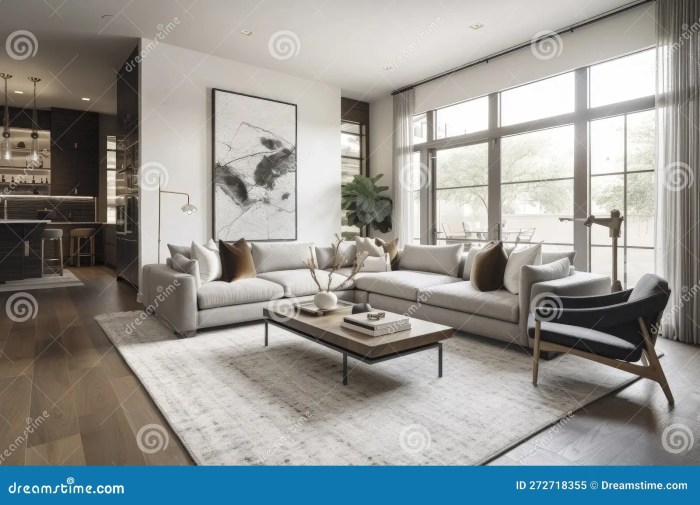
Key Style Considerations:
- Modern Minimalist: Clean lines, neutral colors, multi-functional furniture.
- Traditional: Classic silhouettes, rich fabrics, ornate details.
- Bohemian: Layered textures, vibrant colors, global influences.
- Mid-Century Modern: Simple forms, organic shapes, tapered legs.
- Scandinavian: Light woods, natural materials, minimalist design.
Choosing the Right Furniture for Your Open-Plan Space
The key to successfully furnishing an open-plan living room lies in selecting pieces that complement each other while maintaining a sense of balance and flow. Avoid overcrowding the space; instead, opt for furniture that serves multiple purposes and creates distinct zones within the open layout.
Essential Furniture Pieces:
- Sofa: The focal point of most living rooms. Choose a size appropriate for your space and consider modular sofas for flexibility.
- Armchairs or Seating: Provide additional seating and create intimate conversation areas. Consider accent chairs with unique designs or textures to add visual interest.
- Coffee Table: A central piece for placing drinks, books, and other items. Consider a nesting coffee table set for added flexibility.
- Media Console or Entertainment Unit: Houses your television and other media equipment. Choose a unit that complements your other furniture and provides ample storage.
- Rug: Defines different areas within the open plan, adding warmth and comfort underfoot. Choose a rug large enough to anchor your seating arrangement.
- Lighting: Layered lighting (ambient, task, accent) is crucial in an open-plan space. Consider floor lamps, table lamps, and overhead fixtures.
Optimizing Space and Functionality
In open-plan living rooms, zoning is essential. Furniture placement should delineate different areas—for example, a seating area for relaxation, a dining area for meals, and a workspace for productivity. This creates a sense of order and prevents the space from feeling chaotic.
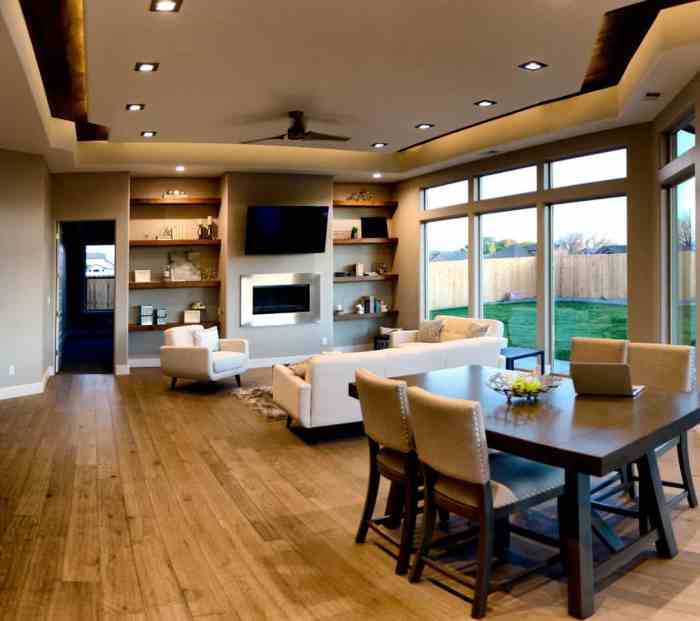
Zoning Techniques:, Furniture for open space living room
- Area Rugs: Define separate zones by placing rugs under furniture groupings.
- Furniture Placement: Arrange furniture to create natural divisions between areas.
- Lighting: Use lighting to highlight different zones and create distinct moods.
- Room Dividers: Consider using a bookshelf, screen, or other room divider to subtly separate areas.
- Multi-functional Furniture: Opt for pieces that serve multiple purposes, such as a sofa bed or ottoman with storage.
Choosing Materials and Colors
The materials and colors you choose significantly impact the overall feel of your open-plan living room. Consider the following:
Material Considerations:
- Durability: Choose durable materials that can withstand daily wear and tear.
- Cleanability: Opt for easy-to-clean fabrics and surfaces, especially if you have pets or children.
- Texture: Incorporate a variety of textures to add visual interest and depth.
Color Palette:
A cohesive color palette is essential for creating a harmonious atmosphere. Consider using a neutral base with pops of color in your accessories and artwork. Using a color wheel can help you create balanced and pleasing combinations.
Open-Plan Living Room Furniture FAQs
- Q: How do I choose the right size sofa for my open-plan living room? A: Measure your space carefully and choose a sofa that leaves enough room for comfortable movement. Consider the scale of the room and the other furniture pieces.
- Q: What are some good ideas for storage in an open-plan living room? A: Incorporate ottomans with storage, media consoles with drawers, and built-in shelving to maximize storage space without cluttering the room.
- Q: How do I create a sense of intimacy in a large open-plan living room? A: Use area rugs, strategically placed furniture groupings, and lighting to define distinct zones and create more intimate spaces within the larger area.
- Q: What are some tips for decorating an open-plan living room with high ceilings? A: Use tall furniture pieces to balance the height of the room, and consider a statement chandelier or other large-scale lighting fixture to draw the eye upward.
- Q: How do I choose the right rug for my open-plan living room? A: The rug should be large enough to anchor your seating arrangement. Consider the size of the room and the overall style of your decor when choosing a rug.
Conclusion: Furniture For Open Space Living Room
Furnishing an open-plan living room requires careful planning and consideration, but the result can be a stunning and functional space that reflects your personal style. By following the tips and advice Artikeld in this guide, you can create a welcoming and inviting living room that you’ll enjoy for years to come. Remember to prioritize functionality, style, and comfort to create the perfect open-plan living room oasis.
Call to Action
Ready to transform your open-plan living room? Start browsing our curated collection of furniture today and find the perfect pieces to complete your design vision! [Link to relevant product page]
Frequently Asked Questions
What are some common mistakes to avoid when furnishing an open-plan living room?
Overcrowding the space, neglecting zoning, choosing furniture that is too large or too small for the area, and ignoring the importance of lighting are common mistakes.
How can I visually separate different areas in an open-plan living room?
Use rugs, different flooring materials, area lighting, and varying furniture heights to define zones.
What types of furniture are best suited for open-plan living rooms?
Modular sofas, sectionals, ottomans with storage, and multi-functional pieces are excellent choices.